Blog / Plantation Ford Service

Signs You Need an Alternator Repair

Transmission Gear in Car

​​​​​​​​​​​​​​​​​​​​​​​​​​​​​​​​​​​​The alternator is one of the most important components in your Ford. It spins at high speed to produce electricity for all your vehicle's systems and also ensures the battery is fully charged. As time passes, the alternator will become worn or damaged, and you'll need to visit your Ford dealer for an alternator repair. These are a few signs your alternator could be in trouble.

Electrical Problems

The alternator produces electricity by spinning at high speed. As the alternator ages, it slows down due to worn parts, and its electrical production declines. This decline is irreversible, and electrical production will continue to drop until the alternator fails.

When the alternator can't produce enough power for all the systems, your computer has to allocate the available electricity. This can mean drawing power from one system to allow others to operate, and seemingly random electrical issues will appear. Your windows might slow down when opening or closing, or the stereo could suddenly fail. We'll test your alternator and install a new one to fix this problem.

Strange Noises

Loud noises from the engine, combined with seemingly random electrical glitches, can mean your alternator is in trouble. As we've seen, the alternator gradually slows down as it ages, reducing its electricity production. The computer detects the reduced power supply and instructs the alternator to spin faster to produce more electricity.

As the worn alternator speeds up, you may hear whining or grinding noises as it struggles to produce more electricity. You might also smell burning metal as it overheats through spinning faster than it's designed to. Our technicians will examine your alternator and install a new one if the original is failing.

Bad Battery

A worn battery can damage your alternator and even cause it to fail. The alternator recharges your battery once your engine is running. It supplies an initial charge at full power for ten minutes, then recharges at 10% capacity until the battery's electricity is replenished. The switch to reduced charging is initiated by a confirmation signal from the battery that the charge was received.

A worn battery won't send this signal, and the alternator will continue to recharge at full power. This will damage the battery even further and also increase the strain on the alternator. We'll replace the damaged battery and check the alternator to ensure it's still in good working condition.

If you have an alternator problem, contact our service department at Plantation Ford in Plantation, FL.

Posted in:

Related Posts

Driving in Ford

Understanding Radiator Repair From Your Ford Dealer: When Is It Necessary?

Your Ford dealer can handle all kinds of repairs that your vehicle needs, from issues with your engine to your cooling system. When you need a radiator repair, several signs will crop up that you should never ignore. Let's explore some of those signs below. more When Your Radiator Starts Overheating Your radiator has a very important job: regulating the temperature inside your engine. So, when the radiator fails, your car can't stay cool enough to run. The engine will begin to overheat regularly, and that can cause damage to other parts of your car. When your radiator overheats, you'll notice white smoke coming from under the hood. Pull over straight away and turn off the engine immediately so it can cool down. When White Smoke Comes Out Of Your Exhaust White smoke may also come out of your exhaust pipe. This can be a sign that you have an internal coolant leak, so the coolant is burning up and coming out through the exhaust system. This problem will eventually cause your engine to overheat, so get to the dealer ASAP. When Your Temperature Gauge Starts Climbing Pay close attention to the temperature gauge on your dashboard. If your radiator is struggling to regulate your engine's temperature, then the temperature gauge will begin to climb into the red zone. Pull over if you notice the temperature gauge showing you that your vehicle's temperature is climbing, as it's another sign your car is overheating. When There's Discoloration Under Your Hood Make sure you inspect every visible part of your vehicle regularly. If you do, then you'll notice when there's discoloration under your hood. This discoloration may be caused by rust or missing paint, indicating a problem with your radiator. If one of the hoses in your cooling system begins leaking, then it'll spray coolant onto your engine. This coolant boils away fast because the engine is so hot, and it takes the paint with it. These spots with no paint then begin to rust. When Your Coolant Is Discolored Your radiator fluid should be a bright color such as red, green, or yellow. If the fluid starts to look oily or rusty and turns black or brown, then it indicates a problem. This contaminated fluid will eventually turn into sludge and clog up your radiator, so head to the dealer as soon as you notice any coolant discoloration. Is your radiator in disrepair? Visit Plantation Ford in Plantation, FL to get it fixed today.

Signs You Need a Brake Repair at Your Ford Dealer

Signs You Need a Brake Repair at Your Ford Dealer

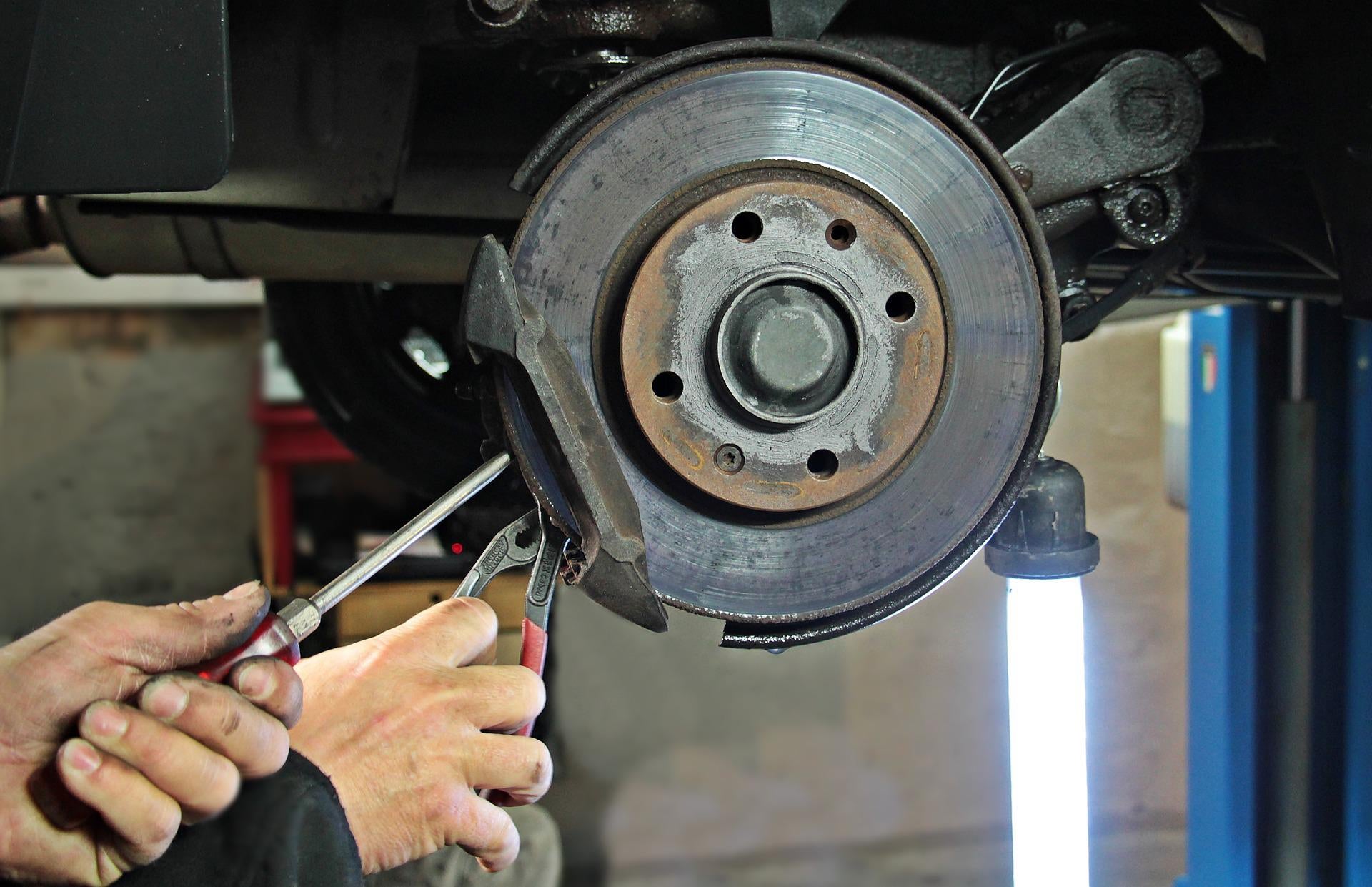
Your Ford has a very efficient braking system that enables you to stop in seconds. The braking system requires regular services to maintain this high efficiency. In addition, parts will wear out due to age or damage. If you have a problem with your brakes, your Plantation, FL, Ford dealer is here to help. These are some warning signs that you may need a brake repair. more Noises From the Brakes Your Ford runs silently and efficiently, which makes loud noises a reason for concern. This is even more true if the sounds come from the brakes. Squealing, screeching, or grinding noises can be scary, and they all mean problems that need to be fixed. Squealing noises are usually caused by rusted brake calipers engaging. We'll examine the calipers and clean the rust or replace them depending on their level of damage. Screeching and grinding noises usually point to worn brake pads. The pads are responsible for generating friction against the rotors, which enables them to stop moving. The screeching noise means the pads have reached their safe limit of 1/4" thickness and need replacing. Grinding noises are made by worn-out pads damaging the rotor surface. We can quickly replace the pads and repair any damage to the rotors. Vibrations When You Brake As we've seen, the brake pads generate friction against the rotors to slow and stop them. These pads have a special material covering that generates the required friction, and this material is attached to the pads by strong adhesive. When you hit the brakes, hydraulic pressure from the brake fluid forces the calipers against the rotors and the pads generate friction. Friction causes heat, and the heat from the already-hot rotors can cause some of the pad's adhesive to liquefy. The liquid adhesive is smeared across the rotor and promptly dries in the heat. The dried adhesive produces a slightly raised section on the otherwise flat rotor. When the caliper grabs the raised rotor section, you'll feel vibrations. We can solve this problem by cleaning or resurfacing the affected rotor. ABS Warning Light The ABS is a safety system that prevents your wheels from locking if your car accidentally skids. A skid can be dangerous, and if a car's wheels lock and refuse to respond, you no longer have any control over your car. If the ABS light comes on, it's important to visit us ASAP so we can find and fix the problem. You can temporarily drive with a lit ABS, be we don't advise it. Once our technicians have repaired the problem, your ABS will work effectively again. If you think you may have brake trouble, call our service department right away at Plantation Ford.

3 Signs You Need a New Catalytic Converter From Your Ford Dealer

3 Signs You Need a New Catalytic Converter From Your Ford Dealer

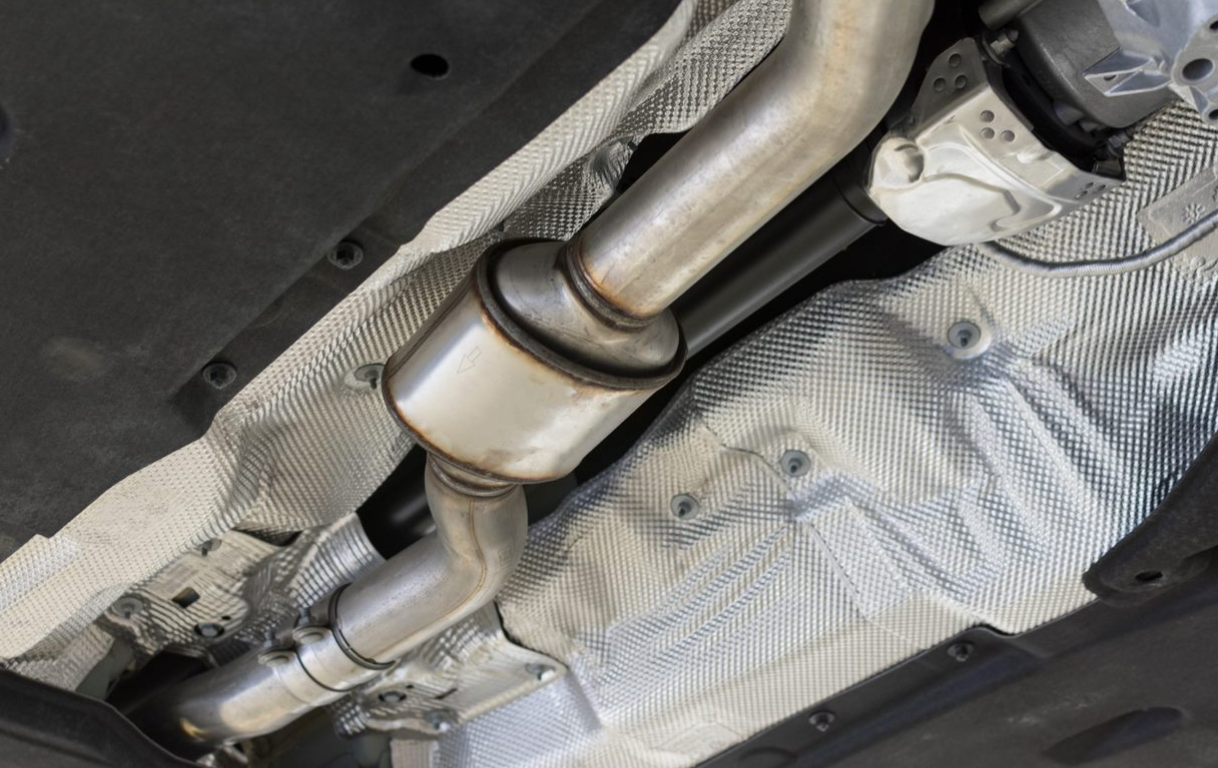
The catalytic converter is attached to your exhaust system. Its job is to convert the dangerous gases that are released by combustion into harmless ones. This helps to reduce the amount of pollution created by automobiles. Converters have a long life, but they can become blocked or damaged and need repair or replacement at your Ford dealer. We'd like you to know some signs you have a converter problem. more Rattling Noises Your converter uses a combination of great pressure, intense heat, and chemical reactions to convert chemicals like carbon monoxide into carbon dioxide and water. The inside of your converter is shaped like a honeycomb to provide the largest possible surface area for conversion. This honeycomb is light yet strong, but it can wear out. Age, heat, and pressure can gradually cause cracks in the honeycomb surface. The cracks will expand, and pieces of the honeycomb can break off. The broken pieces will weaken the remaining structure and lead to further damage. These pieces will also move around inside the converter as you drive. We'll examine your converter. If the honeycomb has broken, we can't repair it, but we can install a new converter for you. Engine Dies. When you start the engine, an electrical charge from the battery activates the starter motor. The starter motor then cranks the engine and the combustion process begins. The fuel-air mix is drawn into the cylinders where it's ignited, and this process moves your car. If your engine suddenly dies without warning after it's started, you probably have a blocked converter. As we've seen, the converter changes the residual gases from combustion, then expels them once they're converted. Carbon can slowly build up in the converter and block access to the exhaust system. This blockage forces the gases back into your engine. The arrival of these gases causes a back pressure in your engine that will quickly shut it down. We can easily clear a carbon blockage, and your engine will work normally again. Black Exhaust Smoke Regular exhaust smoke should look thin and white after the converter has done its job. If your exhaust smoke turns black and smells of sulfur, this is a sign the converter has failed. The black smoke contains carbon monoxide, hydrogen sulfide, and other toxic chemicals, which all escape into the atmosphere and create pollution. The converter can fail due to age, but it can also fail because of a fuel-rich engine. In this situation, large quantities of hot, unburnt fuel are being dumped into the converter, raising the temperature and causing the converter to burn out. We'll investigate and install a new converter if needed. Call us today at Plantation Ford, and we'll fix your converter problem.

Schedule Your Oil Change via Text!

Text “Service” to +1-954-466-0391 to make an appointment in just a few messages